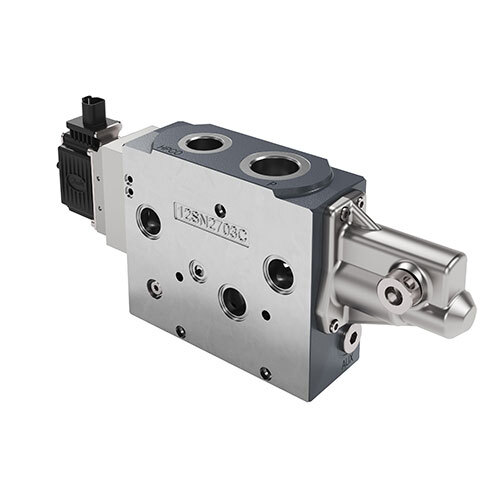
About Directional control on off valves
Performance and adaptability
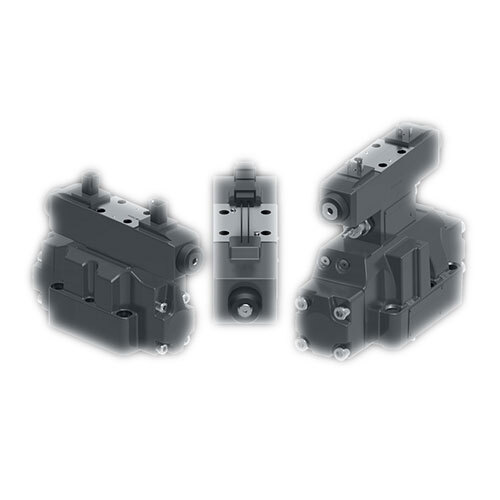
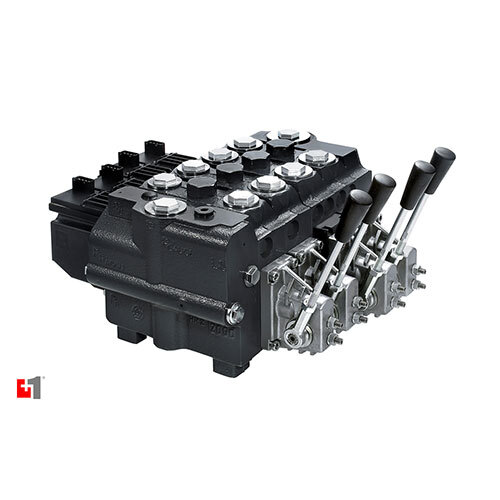
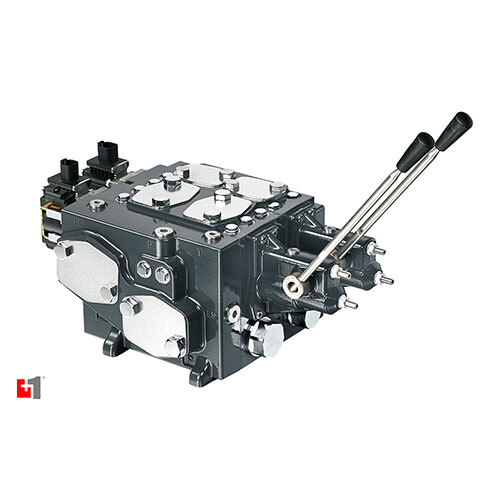
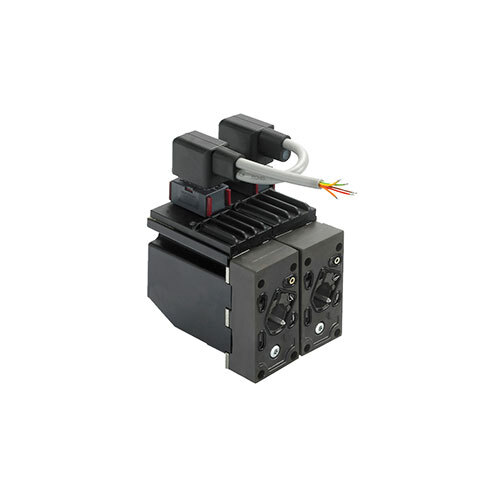
the tried-and-true method for dependable, guided control of a hydraulic motor or cylinder in mobile and industrial settings. A wide variety of models and combinations are available in the Vickers by Danfoss directional control valve line to guarantee the ideal fit for your application. Numerous actuation techniques, sizes, pressure ratings, flow, voltage and wattage, electrical connections, and other features are among the available options.
NEW DG4V3 AC valve tank port pressure rating!
We are now providing a lower tank port pressure rating at a very affordable price, further increasing the adaptability of our high performance DG4V3 AC valves. A reduced tank port rating of 160 bar (2300 psi) will be available.
Sizes and specifications:
- Size NG 4 to NG 32 (D02 to D10)
- Pressure Up to 350 bar (5,000 psi)
- Flow Up to 1,100 L/min (290 gal/min)
- Voltage: AC & DC
- Various electrical connections
- Spool monitoring switch options
- ATEX, UL, and CSA approved explo-sion proof options
Actuation Options:
- Solenoid
- Hydraulic
- Pneumatic pilot
- Lever
- Mechanical
Directional control on-off valves allow for seamless management of hydraulic energy within industrial systems, enabling operators to reliably start, stop, and redirect fluid flow. Their alloy construction offers durability even in high-pressure environments, while hydraulic wattage ensures responsive power transmission. Suitable for a wide range of applications, these valves are supplied and traded widely across India.
Industrial-Grade DurabilityManufactured from high-quality alloy and finished in black, these valves are built to withstand the demanding conditions of industrial usage. Their standard sizing facilitates straightforward integration into existing systems, while maintenance requirements remain minimal, enhancing overall operational efficiency.
FAQ's of Directional control on off valves:
Q: How does a directional control on-off valve operate in a hydraulic system?
A: A directional control on-off valve manages the flow of hydraulic fluid by opening, closing, or redirecting the path within the hydraulic circuit. This allows operators to start, stop, or change the direction of fluid as required for specific industrial processes.
Q: What are the benefits of using alloy materials for these hydraulic valves?
A: Alloy construction provides excellent resistance to wear, high strength, and durability, ensuring the valve withstands continuous industrial operation and harsh working conditions.
Q: When should these valves be used in industrial applications?
A: Directional control on-off valves are ideal for situations where precise control of hydraulic energy is needed, such as in automated manufacturing, heavy machinery, and process industries where flows must be regulated or shut off quickly.
Q: Where are these valves typically installed within a hydraulic system?
A: These valves are generally installed at key junctures in hydraulic circuits where controlling the direction or stopping fluid flow is essential for safe and efficient system operation.
Q: What is the process for selecting the right directional control on-off valve?
A: Selection should be based on system requirements such as flow rate, hydraulic wattage, pressure rating, material compatibility, and the desired operation mode (on-off or directional control). Standard sizes make integration easier for most industrial setups.
Q: How do these valves enhance operational safety and efficiency?
A: By providing reliable start/stop capabilities and accurate directional flow control, these valves help reduce the risk of leaks or operational errors, thus improving system safety and minimizing downtime during maintenance.
Q: What maintenance practices should be followed for optimal valve performance?
A: Regular inspections for wear, keeping the valve clean, and ensuring proper hydraulic fluid quality are essential to maintain long-term valve functionality and performance.









 Send Inquiry


 English
 Spanish
 French
 German
 Italian
 Chinese (Simplified)
 Japanese
 Korean
 Arabic
 Portuguese