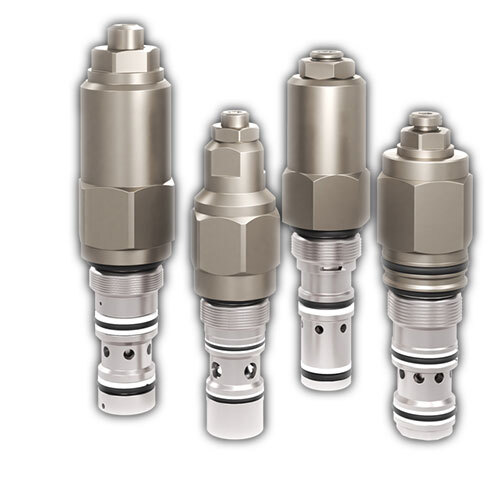
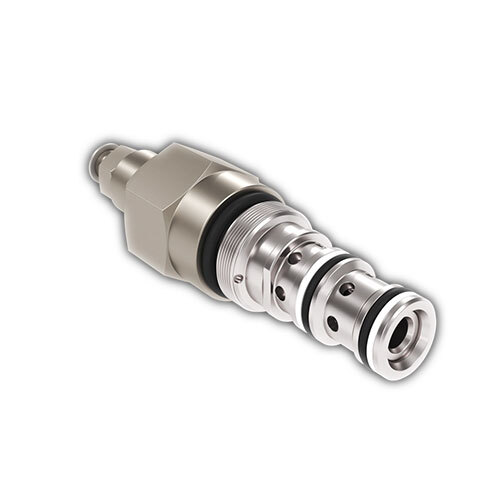
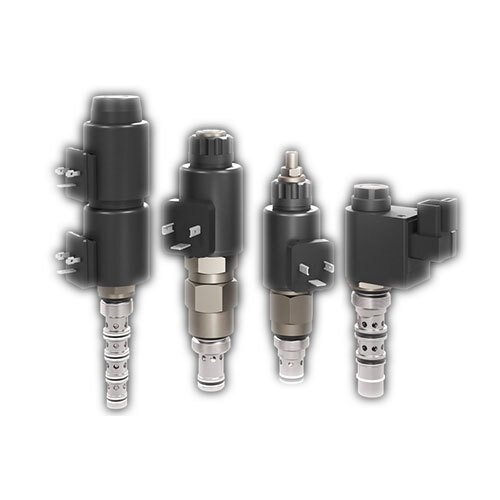
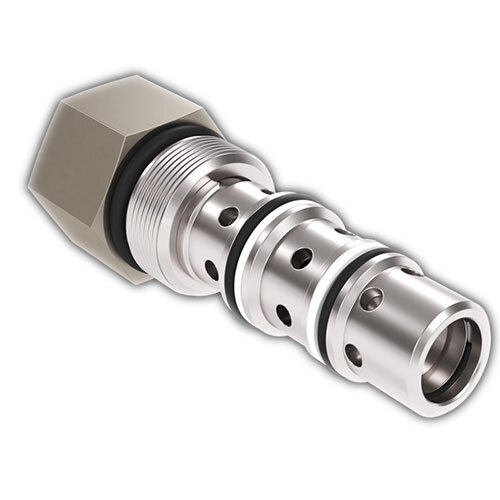
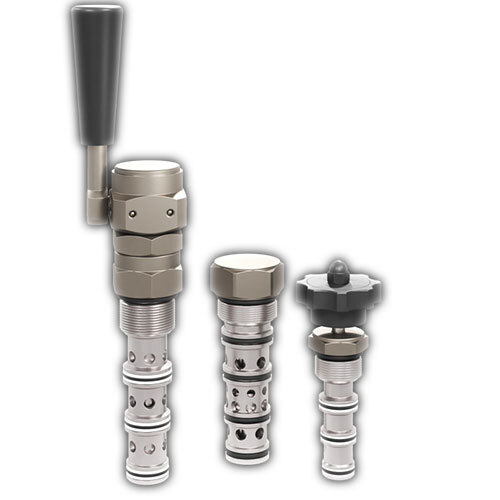
Our motion control valves are meticulously designed to deliver accurate hydraulic control within various industrial settings. With a sturdy alloy construction and a standardized size, these valves are ideal for integration into automated machinery or production lines, ensuring precise movement and cycle management for enhanced process consistency.
Crafted with high-quality alloy and finished in silver, these valves offer both visual appeal and long-term resilience. The hydraulic power function supports consistent energy flow and seamless motion, reducing downtime and increasing the lifespan of your industrial equipment.
FAQ's of Motion control valves:
Q: How are motion control valves used in industrial applications?
A: Motion control valves regulate the flow and pressure of hydraulic fluids within industrial machinery, managing the movement of actuators and ensuring accurate positioning for various processes.
Q: What materials are used in the construction of these motion control valves?
A: These valves are made from high-quality alloy, which provides excellent strength, corrosion resistance, and durability, making them ideal for challenging industrial environments.
Q: When should I choose a hydraulic motion control valve over other types?
A: Hydraulic motion control valves are best chosen when your application requires precise regulation, reliable performance under high pressure, and efficient energy transmission in automated or heavy-duty systems.
Q: Where are motion control valves commonly installed?
A: They are typically installed in hydraulic circuits of industrial machinery, such as presses, injection molding machines, and automated assembly lines, to control actuator speed and position.
Q: What is the process for installing a motion control valve?
A: To install, first ensure all hydraulic lines are depressurized. Mount the valve securely within the system, connect the appropriate inlet/outlet lines, and ensure all fittings match the standard size specifications. Check for leaks after connection before re-pressurizing the system.
Q: What are the primary benefits of using alloy-based, hydraulically powered motion control valves?
A: These valves offer reliable operation, greater resistance to wear and corrosion, improved safety, and optimized process control, which collectively enhance productivity and reduce maintenance costs in industrial settings.









 Send Inquiry


 English
 Spanish
 French
 German
 Italian
 Chinese (Simplified)
 Japanese
 Korean
 Arabic
 Portuguese