About Sequence and unloading valves
Features and benefits
- Flow rating up to 250 l/min [66 US gal/min]
- Pressure rating up to 350 bar [5000 psi]
Direct acting pressure sequence valves
| Product Code | Cavity | Flow | Pressure |
| CP240-8 | SDC10-3 | 55 l/min [14 US gpm] | 210 bar [3000 psi] |
| 1DS100 | A880 | 150 l/min [40 US gpm] | 210 bar [3000 psi] |
| CP241-8 | CP12-3S | 150 l/min [40 US gpm] | 210 bar [3000 psi] |
| 1PSC30 | A6610 | 30 l/min [8 US gpm] | 350 bar [5000 psi] |
Pilot operated pressure sequence valves
| Product Code | Cavity | Flow | Pressure |
| PSV2-8 | SDC08-3 | 23 l/min [6 US gpm] | 210 bar [3000 psi] |
| PSV4-8 | SDC08-3 | 15 l/min [4 US gpm] | 350 bar [5000 psi] |
| PSV2-10 | SDC10-3 | 23 l/min [6 US gpm] | 210 bar [3000 psi] |
| PSV4-10 | SDC10-3 | 15 l/min [4 US gpm] | 210 bar [3000 psi] |
2-way directional sequence valves
| Product Code | Cavity | Flow | Pressure |
| PSV10-10 | SDC10-4 | 23 l/min [6 US gpm] | 210 bar [3000 psi] |
| CP240-5 | SDC10-4 | 25 l/min [7 US gpm] | 210 bar [3000 psi] |
| VDP 06/NC | NCS06/3 | 25 l/min [7 US gpm] | 315 bar [4600 psi] |
| VDP 06/NA | NCS06/3 | 25 l/min [7 US gpm] | 315 bar [4600 psi] |
| CP240-2 | SDC10-3 | 35 l/min [9 US gpm] | 210 bar [3000 psi] |
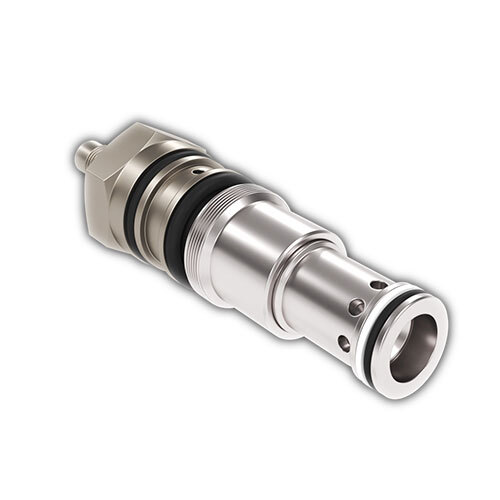
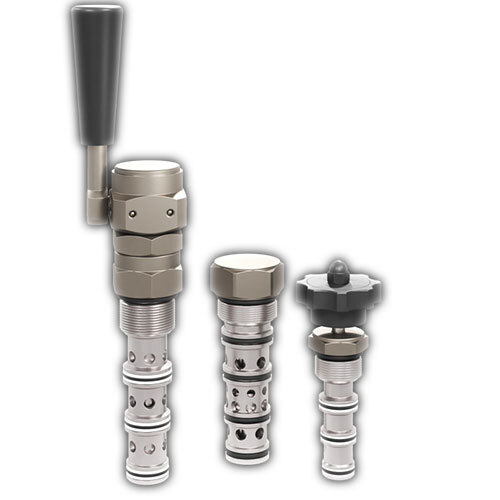
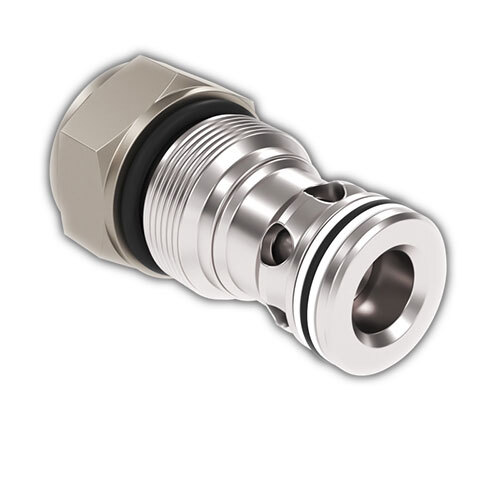
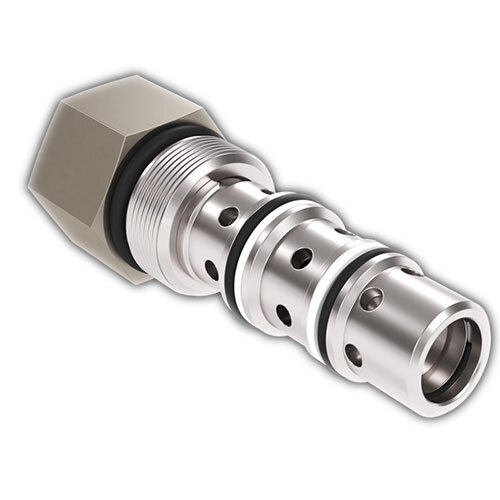
Sequence and unloading valves are vital in industrial hydraulic systems, ensuring precise management of operational sequences and unloading pump pressure as needed. Built of robust alloys and finished in silver, these valves accommodate demanding environments while providing consistent efficiency. Their standard sizing and adaptability to hydraulic power sources make them a versatile solution for a range of automated processes across diverse industrial sectors.
Reliable and Efficient OperationDesigned for reliability, these hydraulic valves help maintain stability in complex machinery by regulating flow and safeguarding components from excessive pressure. Their ease of installation and compatibility with standard industrial setups make them a trusted choice for engineers and plant managers seeking dependable performance and longevity.
FAQ's of Sequence and unloading valves:
Q: How do sequence and unloading valves operate in an industrial hydraulic system?
A: Sequence and unloading valves function by controlling the order and timing of hydraulic fluid flow. In an industrial setup, sequence valves prioritize oil flow to various actuators, while unloading valves divert pump output, reducing system pressure when not required, thereby improving efficiency and safety.
Q: What are the main benefits of using alloy-made hydraulic sequence and unloading valves?
A: The alloy construction of these valves ensures enhanced durability, corrosion resistance, and longevity, especially in harsh industrial environments. This results in lower maintenance needs and a reliable operation over prolonged periods.
Q: When should you use sequence and unloading valves in your machinery?
A: Implement these valves when your hydraulic system requires a controlled sequence of operations or when you need to protect your pump from unnecessary load during idle periods. They are particularly valuable in multi-actuator or automated industrial systems.
Q: Where can these hydraulic valves be sourced in India?
A: Sequence and unloading valves are available through specialized suppliers and equipment traders across India. Choosing a reputable supplier ensures you receive quality-assured, standard-size valves suitable for your specific industrial applications.
Q: What is the general process for installing sequence and unloading valves?
A: Installation involves connecting the valves to the designated hydraulic lines in accordance with manufacturer instructions, ensuring correct flow direction and pressure settings. Professional installation is recommended to guarantee proper system integration and safety.
Q: How does using these valves enhance the overall efficiency of an industrial system?
A: By managing flow sequencing and unloading pressure, these valves optimize hydraulic power usage, prevent unnecessary pump operation, and help streamline automated processes. This reduces energy consumption and wear on system components, yielding cost and maintenance savings.









 Send Inquiry


 English
 Spanish
 French
 German
 Italian
 Chinese (Simplified)
 Japanese
 Korean
 Arabic
 Portuguese