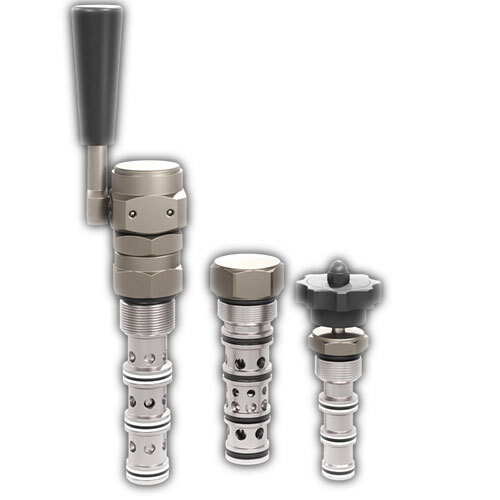
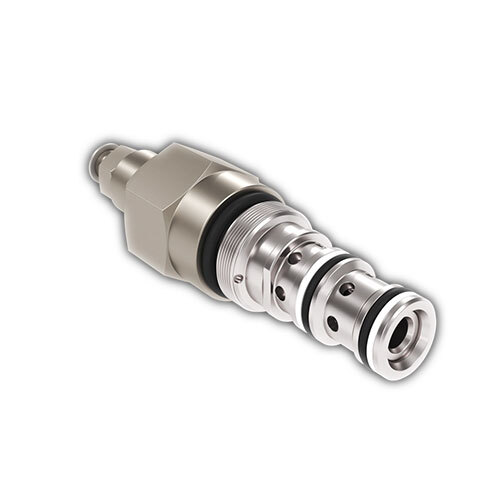
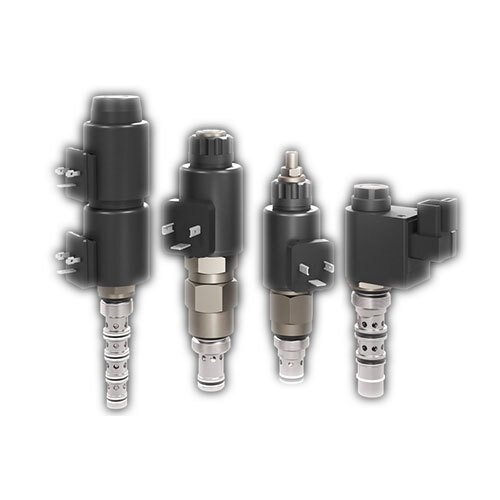
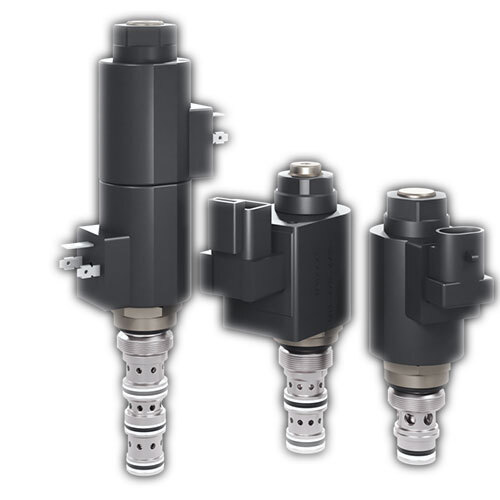
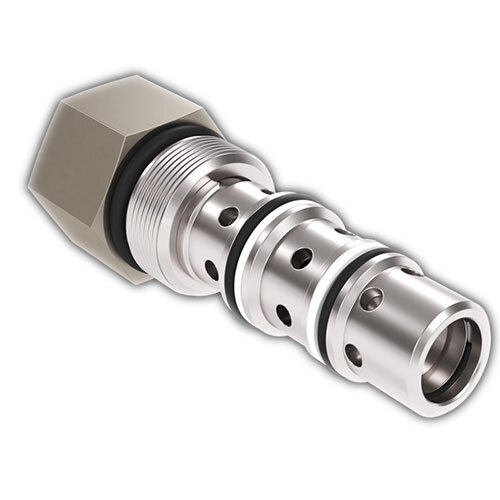
Directional control valves contribute to smooth and controlled movement of hydraulic fluids, ensuring the right operation of actuators and machinery parts in various industrial settings. Their alloy construction guarantees longevity and consistent performance even in demanding environments.
These hydraulic valves are suitable for diverse sectors such as manufacturing, automation, and processing plants. Their standard sizing and powerful hydraulic operation make them easy to integrate into existing fluid power systems to maximize productivity and safety.
FAQ's of Directional control valves:
Q: How do directional control valves function in hydraulic systems?
A: Directional control valves guide the flow of hydraulic fluid by opening, closing, or changing the direction of flow within the circuit. This regulation is vital for moving actuators or operating machinery precisely as required in industrial applications.
Q: What materials are used in the construction of these valves?
A: These directional control valves are constructed using high-quality alloy, offering excellent durability, resistance to corrosion, and the ability to withstand high-pressure industrial environments.
Q: When should you consider replacing a directional control valve?
A: Replacement is recommended when you observe decreased system responsiveness, leakage, or irregular operation. Regular inspection and maintenance also help to determine the right time for replacement, ensuring continued efficiency.
Q: Where are these hydraulic valves commonly installed in industrial setups?
A: They are typically installed at crucial points in a hydraulic circuit, such as near actuators, pumps, or control panels, to control the movement and direction of hydraulic fluid where it matters most.
Q: What is the process for installing a standard directional control valve?
A: Installation involves shutting down the hydraulic system, aligning the valve with designated inlet and outlet ports, securing connections, and ensuring all seals are tight. Testing for leaks and correct operation follows before resuming full system operation.
Q: How are these valves beneficial for industrial users?
A: These valves ensure precise control over hydraulic fluid flow, reducing downtime and maintenance costs while improving overall system efficiency and safety in industrial processes.









 Send Inquiry


 English
 Spanish
 French
 German
 Italian
 Chinese (Simplified)
 Japanese
 Korean
 Arabic
 Portuguese